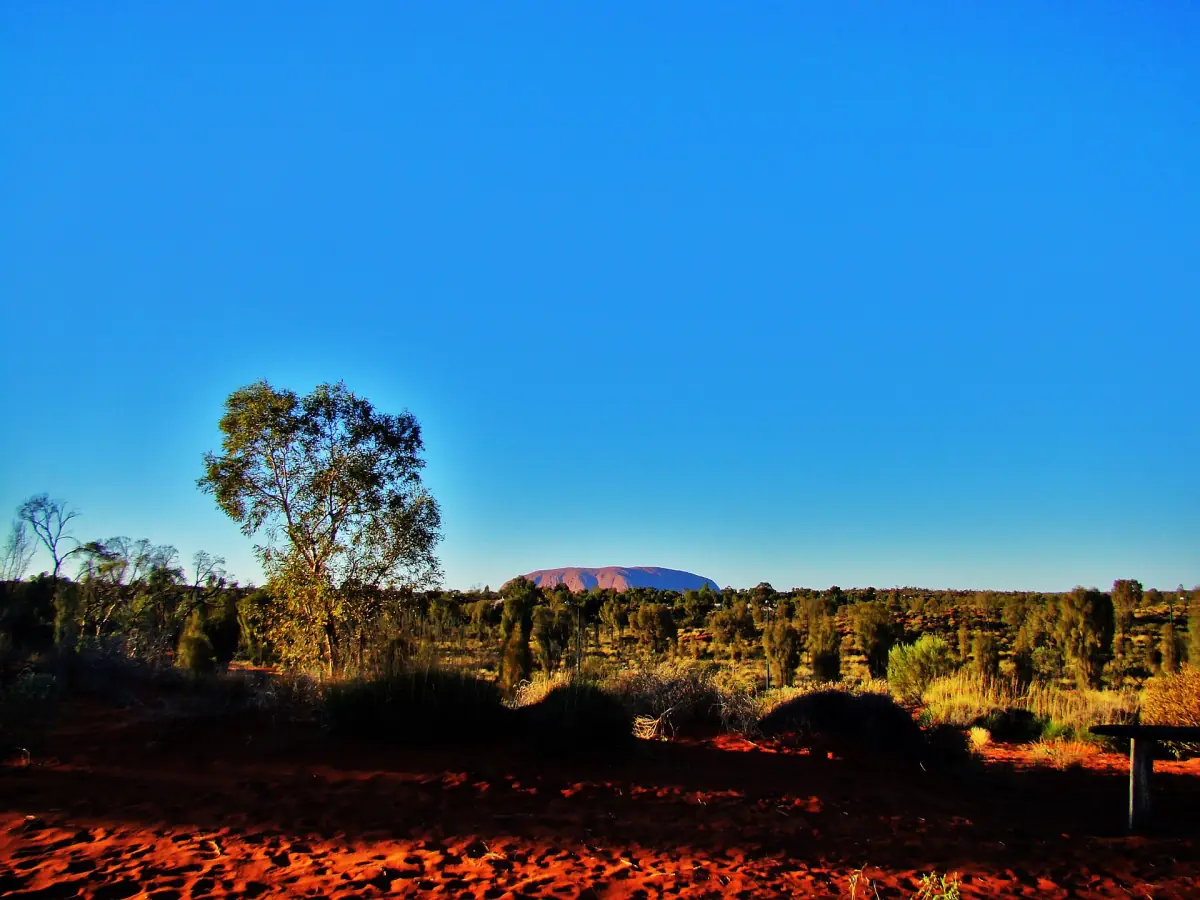
The Anangu and Tjukurpa
The Anangu are the traditional owners of the land in Uluru-Kata Tjuta National Park. The land was handed back to them in 1985 and leased to the Australian government. Since then it has been managed jointly with Parks Australia. The park has World Heritage status for its natural values since 1987 and for its cultural landscape since 1994.
Tjukurpa is the base of Anangu culture. It is a body of law, spirituality and knowledge, and it describes how people, animals, plants and the land relate to each other. It is not a collection of old stories and it is not in the past. It shapes daily life now.
Tjukurpa is handed on by speaking, song, ceremony and art. Some of it may only be shared with authorised people and is not told to visitors. This website does not try to retell it.
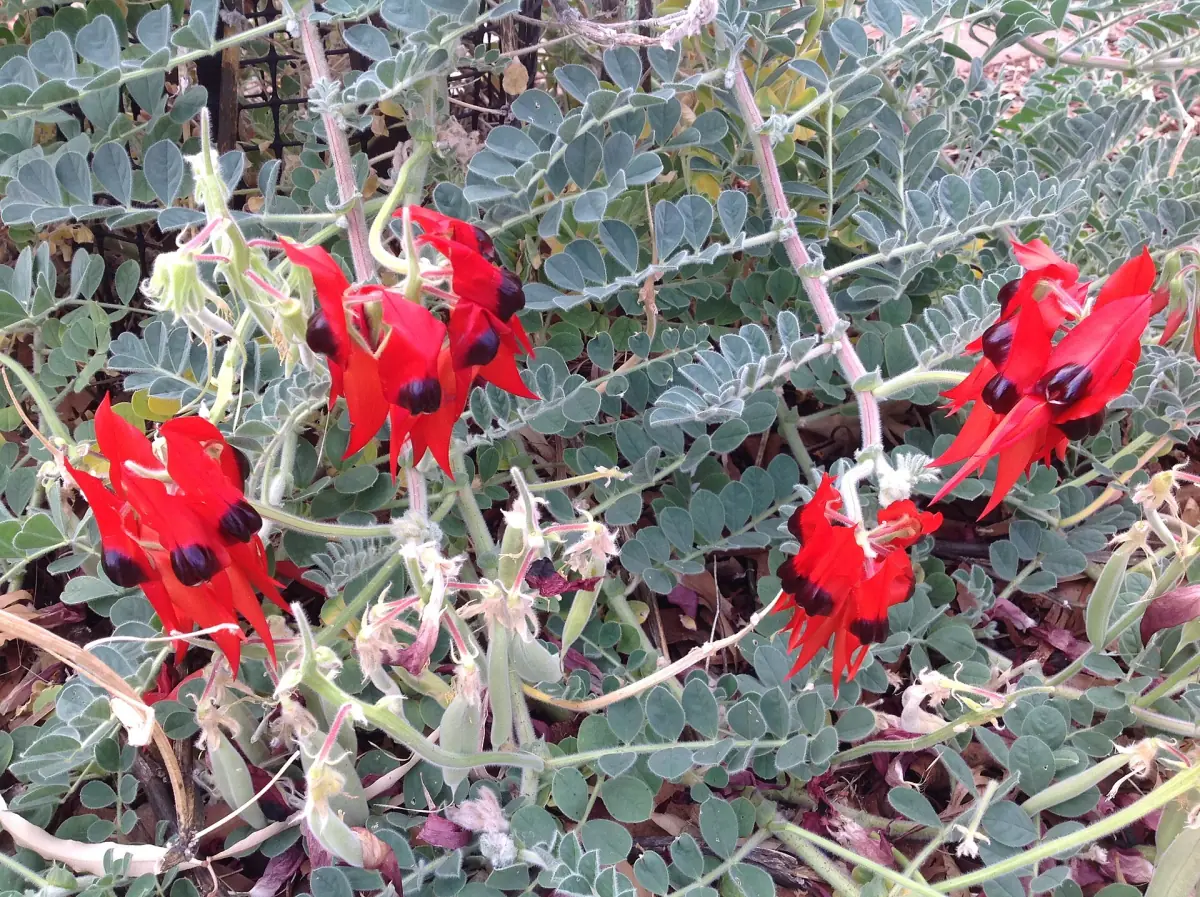
Names and places
The language is Pitjantjatjara.
| Name | Meaning or background |
|---|---|
| Uluru | A Pitjantjatjara name with no English translation, used long before the European names |
| Kata Tjuta | "Many heads", 36 domes. The place is especially important for Anangu men, and its stories are not shared with visitors. |
| Anangu | The people of the area, the traditional owners |
| Tjukurpa | Law, culture and the relationships between people and Country |
Visitors may use the marked walking tracks at Kata Tjuta. Please do not ask guides or staff to explain the meanings of individual domes. Those explanations belong to the Anangu.
Guided experiences at Uluru
Walks, sunrise and sunset trips and Kata Tjuta tours, with live prices and availability.
Learn at the cultural centre
The best first stop for a visit.
The cultural centre
Exhibitions, the Tjukurpa Tunnel, an information area and two galleries, Maruku Arts and Walkatjara Art. The centre is open daily from 07:00 to 17:45. The park suggests at least 2 hours.
Maruku Arts
The Maruku gallery in the cultural centre is open daily from 09:00 to 17:00. Maruku also runs dot-painting sessions in the Yulara Town Square near the Kulata Cafe. From April to September, times are 11:00 to 12:30 and 14:00 to 15:30. From October to March they are 10:30 to 12:00 and 13:30 to 15:00. These sessions do not run on a guaranteed daily schedule, so check before you go.
Yulara guide →Ranger-guided Mala walk
Free on top of the park pass. It starts at the Mala car park at 08:00 from October to April and at 10:00 from May to September. It takes about 1 hour 30 minutes over 2 km and is wheelchair accessible. It is led by park rangers, so do not expect a continuous walk with Anangu guides.
Base Walk and Mala walk →Respect and photography
Follow the signs. They exist for good reasons.
People
Ask before photographing Anangu. Do not enter closed sacred sites, ceremonial places, graves or homes.
Uluru
The sensitive area on the north-east side runs from Kantju Gorge to Kuniya Piti. Named places include Tjukatjapi, Warayuki, Mala Puta, Taputji, Kuniya Piti and Pulari. Pulari is a no-photo zone, also on the signed alternative route to the Base Walk. At the car sunset area, photograph the rock as a whole.
Kata Tjuta
On the Valley of the Winds walk, no photographs or film of the rock formations. Close-ups of plants and animals are fine. At Walpa Gorge, keep both sides of the gorge in the frame. At the Dune Viewing area, keep at least five domes in the picture.
Valley of the Winds →Publishing
Commercial use or public display of images, including blogs and social media content, needs a media permit. A private holiday photo is not a publishing licence. Drones are not allowed in the park.
More about the park
Where this connects.
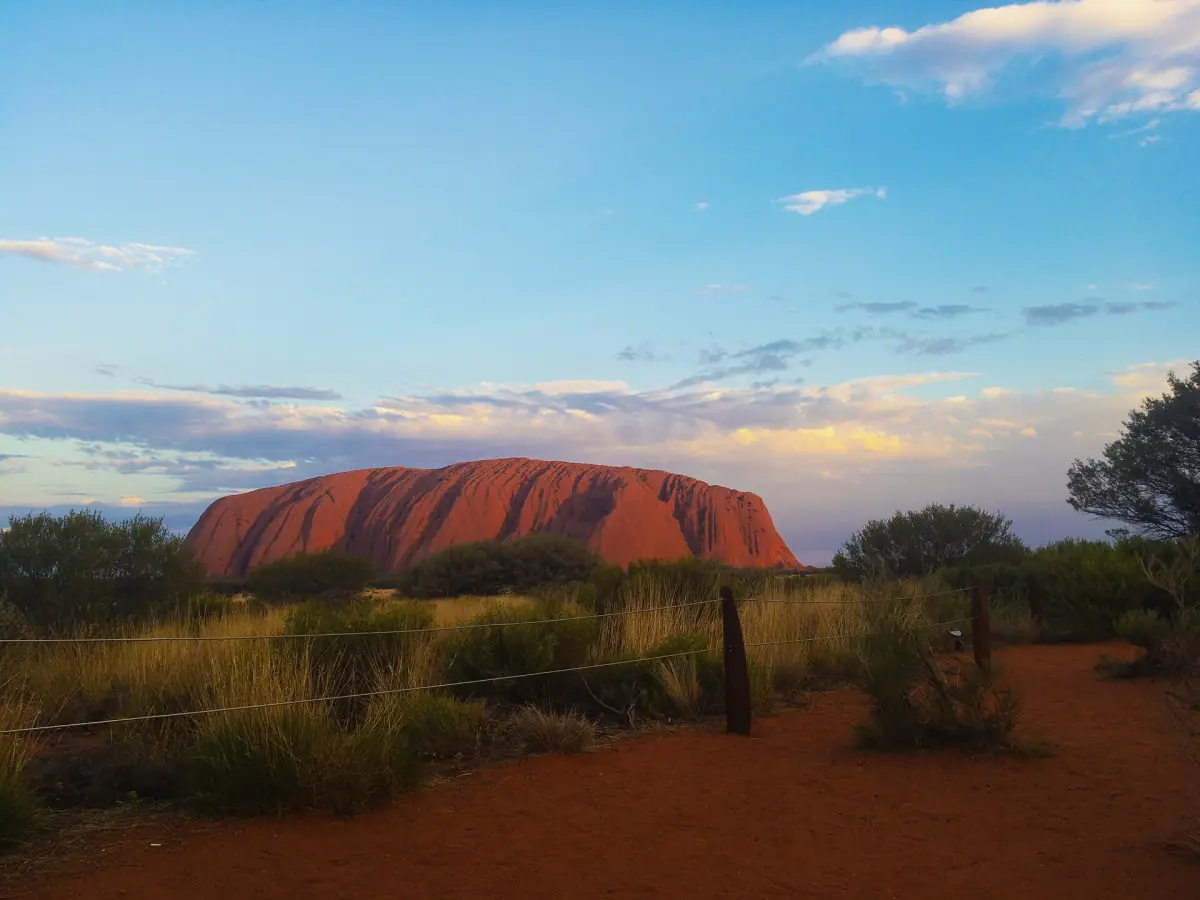
Can you climb Uluru?
The climb closed in 2019, for reasons rooted in Tjukurpa.
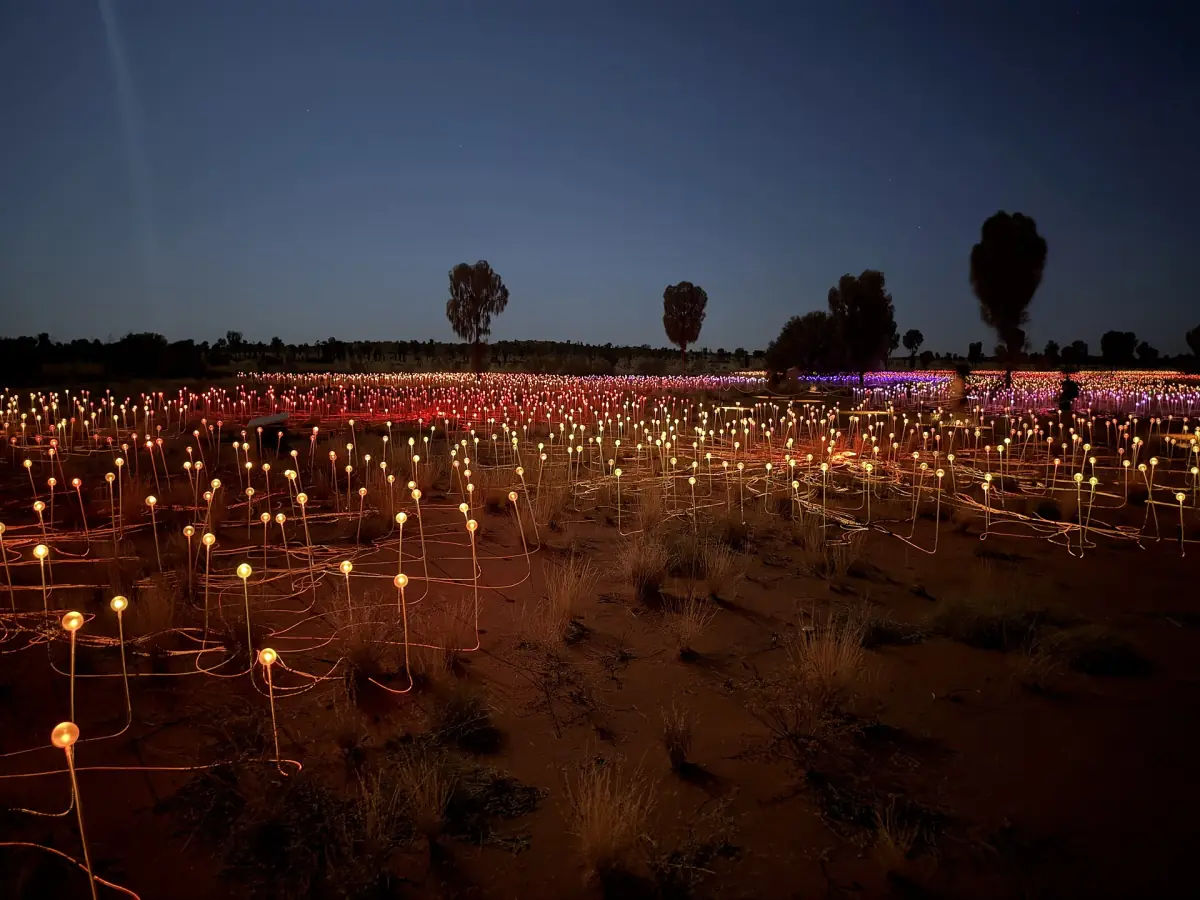
Field of Light
A contemporary art installation, not an Anangu ceremony.
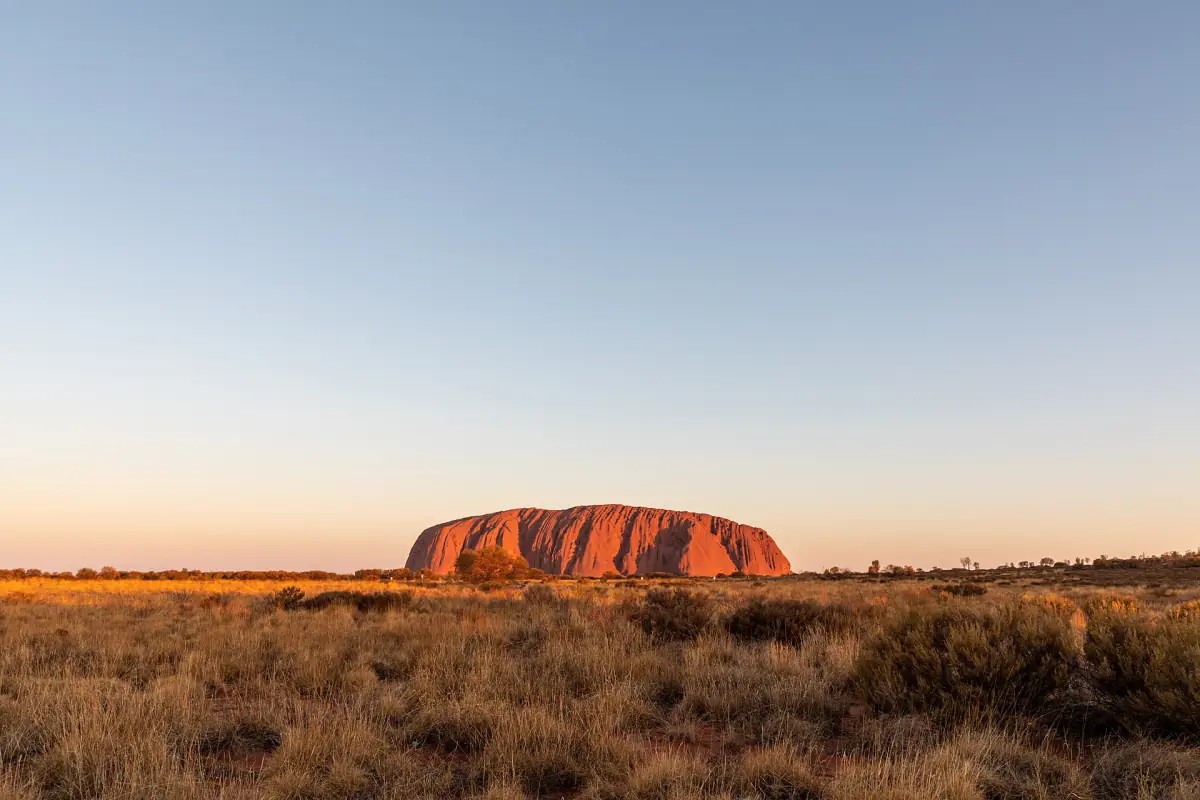
Ayers Rock and Uluru
The two names, the key figures and how to see it.
The park can close at short notice for cultural reasons. On 28 August 2026 it closed from 06:00 to 11:00 for a funeral. Check the current notices when you plan the day.
Anangu culture: frequently asked questions
What does Tjukurpa mean?
It is the foundation of Anangu culture: law, spirituality and the relationships between people, animals, plants and land. It is a living part of life today.
Who owns Uluru?
The Anangu are the traditional owners. The land was handed back in 1985 and leased to the Australian government, and it is managed jointly with Parks Australia.
Can I take photos at Uluru?
In most places, yes. In sensitive areas marked by signs, no. Pulari is a no-photo zone. Ask before photographing people.
How long should I plan for the cultural centre?
At least 2 hours. It is open daily from 07:00 to 17:45.
Is the Field of Light an Anangu ceremony?
No. It is a contemporary artwork by Bruce Munro and is run as a separate evening experience.